
Intro
Thermal power plants are vital to India’s energy supply—but they also produce large quantities of fly ash that must be stored safely. The solution lies in well-engineered ash bunds, which contain and manage ash while protecting surrounding land and water resources.
In Maharashtra, BC Biyani has emerged as a trusted name in ash bund construction, designing structures that meet strict environmental and safety standards. This blog explains what ash bunds are, why they’re essential, and how BC Biyani’s engineering expertise ensures sustainable energy operations across the state.
Understanding Ash Bunds
What Is an Ash Bund?
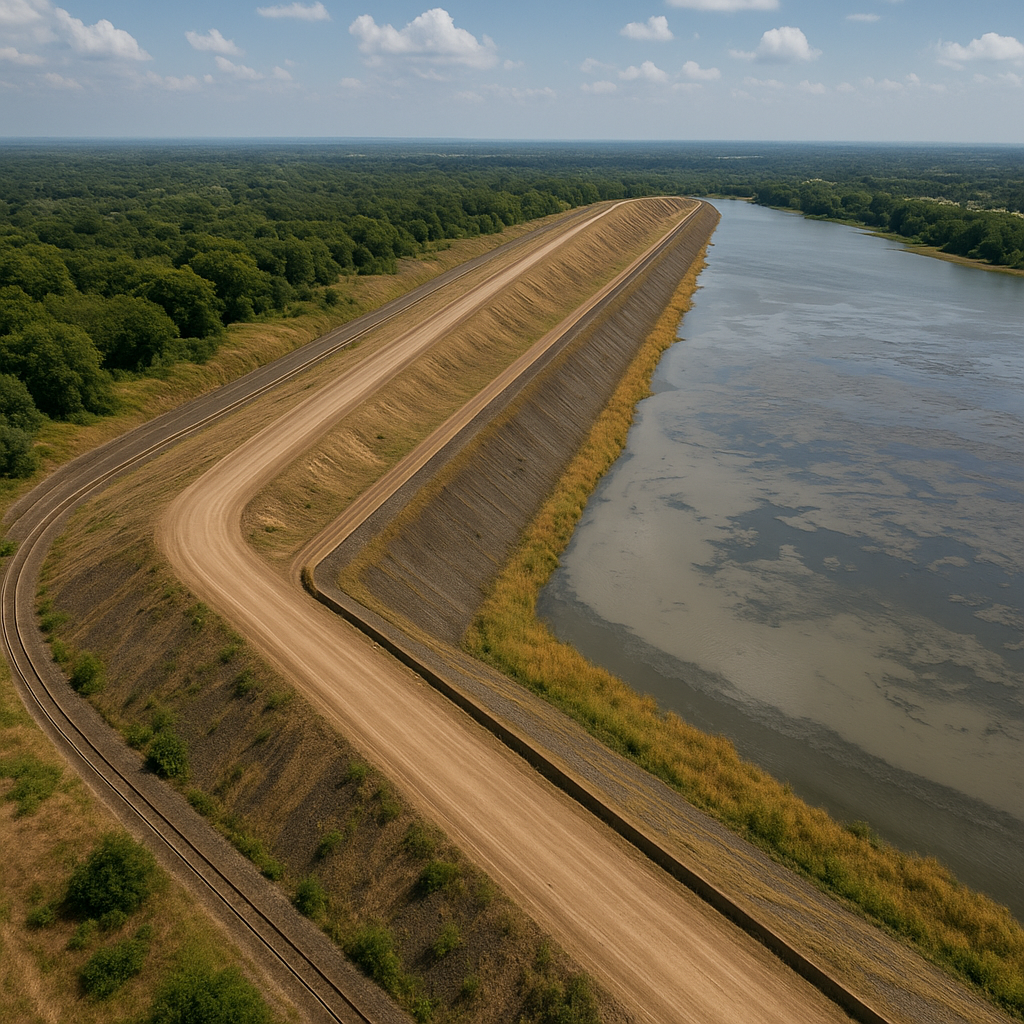
An ash bund is a specially designed embankment or containment structure used to store fly ash—the fine residue produced when coal is burned in thermal power plants.
These bunds prevent the uncontrolled spread of ash dust and contamination of soil or groundwater. They are typically built using compacted earth, clay liners, and drainage systems that ensure long-term stability and safety.
Why Ash Bunds Are Crucial for Thermal Power Plants
1. Environmental Protection
Ash bunds act as protective barriers that contain ash slurry, preventing pollutants from leaching into nearby ecosystems.
2. Regulatory Compliance
Thermal power plants must adhere to environmental norms set by the Central Pollution Control Board (CPCB) and MoEFCC. Properly engineered ash bunds help plants maintain compliance and avoid penalties.
3. Safety and Sustainability
Well-constructed bunds minimize the risk of leakage or failure, safeguarding communities and supporting sustainable power generation.
4. Resource Recovery
Fly ash stored in bunds can later be reused in cement, bricks, and road construction, turning waste into a valuable resource.
BC Biyani’s Expertise in Ash Bund Construction
With a strong track record in industrial and power-sector infrastructure, BC Biyani specializes in designing and executing ash bund projects that combine engineering precision with environmental responsibility.
Key Strengths
- Site-specific design: Tailored bund geometry based on soil and hydrology studies.
- Advanced compaction techniques: For long-term bund stability.
- Drainage and seepage control: Engineered to handle monsoon conditions.
- Quality assurance and testing: Ensuring compliance with CPCB and CEA guidelines.
Notable Projects in Maharashtra
BC Biyani has executed ash bunds for thermal power plants in Bhusawal and Nagpur, demonstrating its ability to deliver large-scale, time-critical infrastructure within strict safety parameters.
Engineering the Future of Sustainable Power
As India’s demand for energy grows, so does the importance of safe ash management. Through innovative design, materials, and environmental stewardship, BC Biyani helps power plants operate responsibly and efficiently.
By turning potential waste challenges into engineering solutions, the company contributes to cleaner and greener industrial growth across Maharashtra.
Conclusion
Ash bunds may not be visible to the public, but they play a crucial role in ensuring that Maharashtra’s power plants remain both productive and environmentally sound.
With proven expertise in ash bund construction in Maharashtra, BC Biyani continues to set benchmarks in safety, quality, and sustainability.
👉 To learn more about BC Biyani’s industrial infrastructure services or to discuss upcoming power-sector projects, contact us today.


